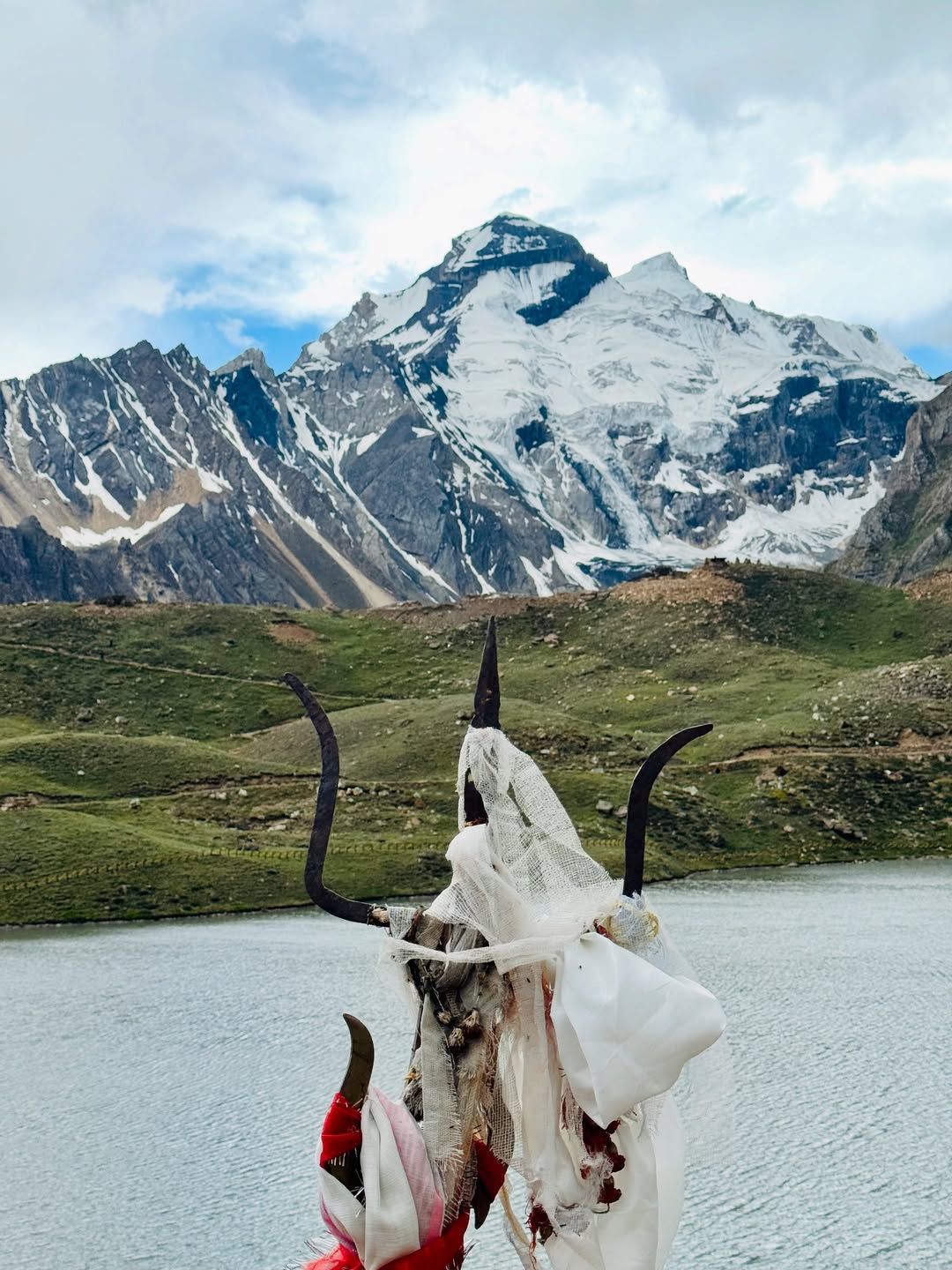
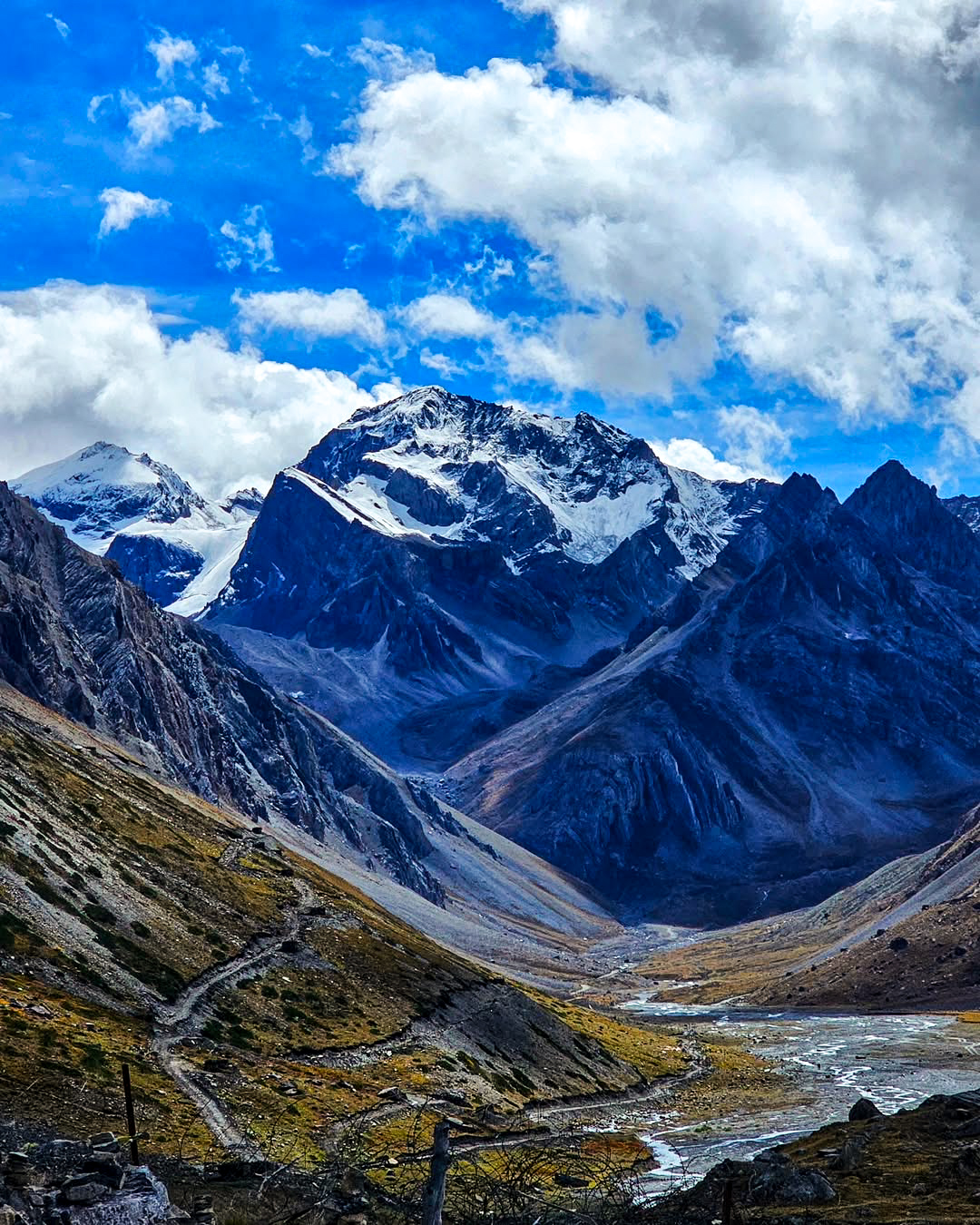
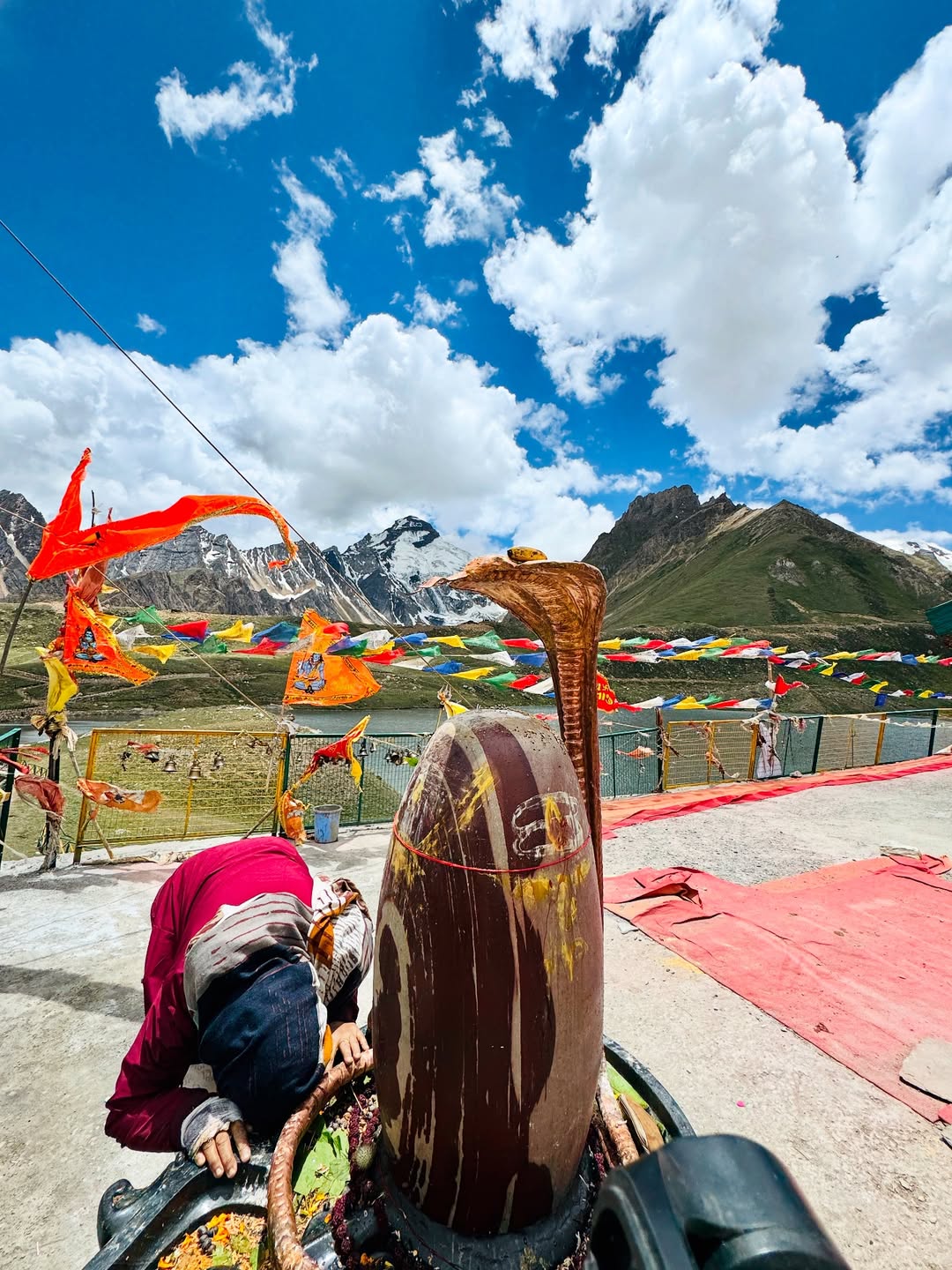
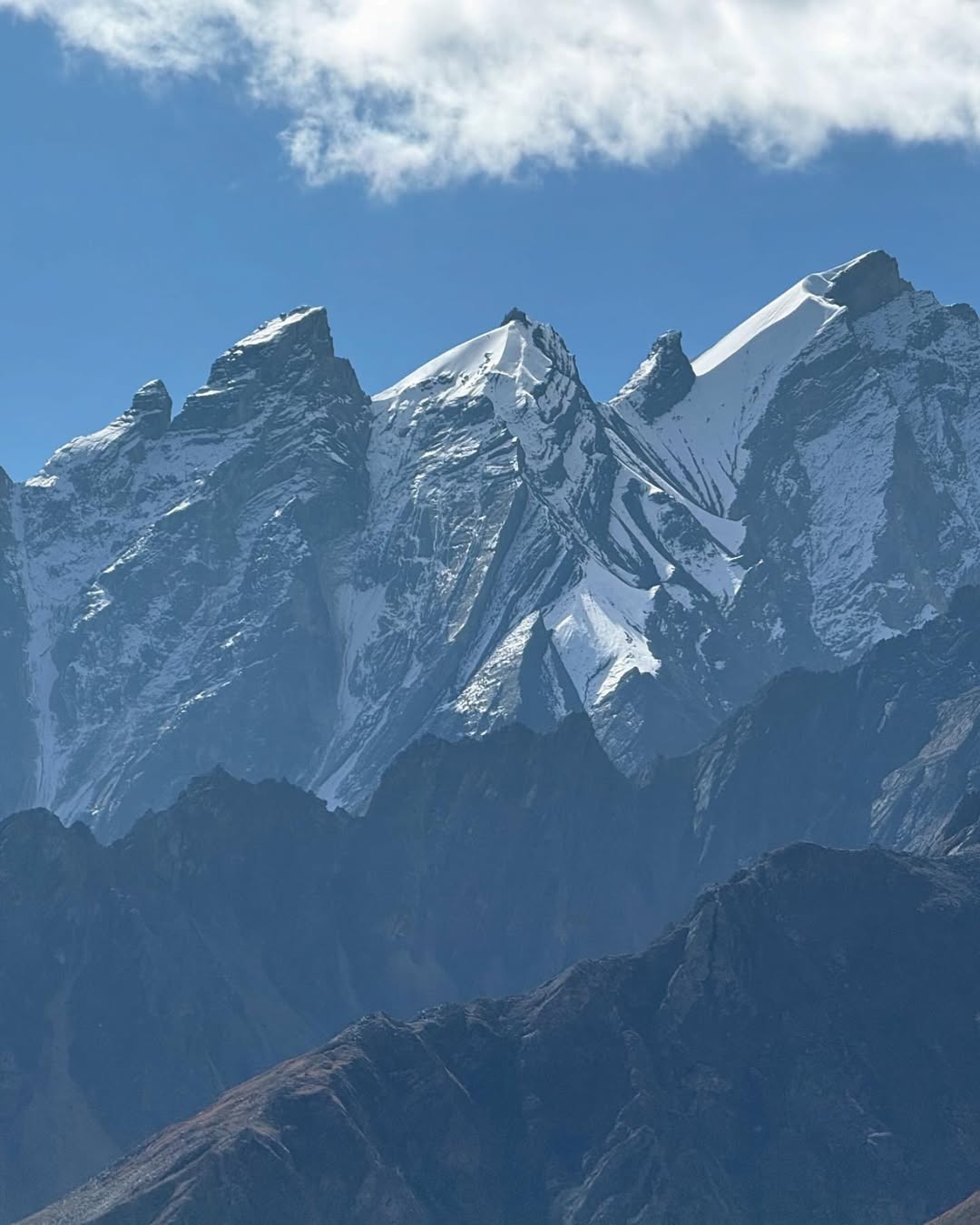
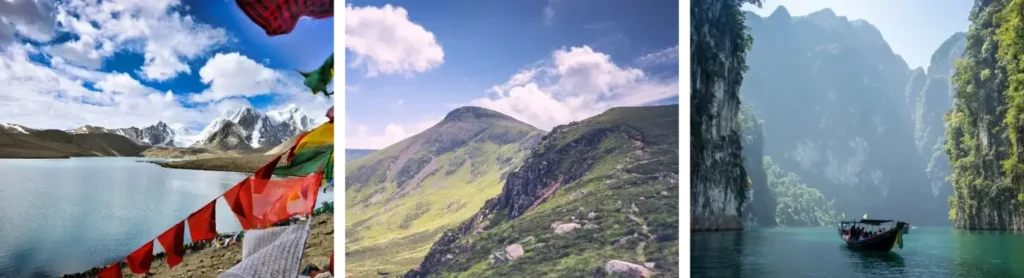
This 5-day expedition begins from Pithoragarh and takes you through the scenic valleys of Dharchula, Gunji, and Nabidhang before witnessing the divine beauty of Adi Kailash, Parvati Sarovar, Gauri Kund, and the sacred Om Parvat, famous for the naturally formed “ॐ” symbol on its snow-covered face. Travel in comfortable 4×4 SUVs, stay in authentic Himalayan homestays, and experience the culture, spirituality, and untouched beauty of India’s last Himalayan villages.
Highlights
Adi Kailash Darshan
Om Parvat Darshan
Parvati Sarovar
Gauri Kund
Bheem ki Kheti
Brahma Parvat
Ved Vyas Cave
Parvati Mukut
Kali Temple
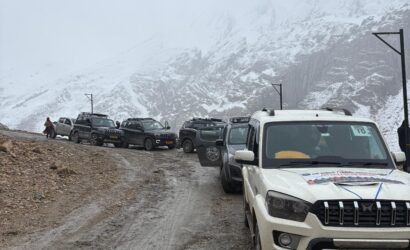
Scenic himalayan 4 x 4 drive
Authentic himalayan experience
Itinerary
Experience the divine beauty of the Himalayas on this four nights / five days Adi Kailash and Om Parvati Yatra starting and ending in Pithoragarh. Journey through the breathtaking valleys of Dharchula and Gunji, witness the sacred Adi Kailash , offer prayers at Parvati Sarovar and seek blessings at the inspiring Om Parvat, where the naturally formed Om symbol appears on the mountains.
travel in comfortable, 4×4 SUVs, stay in authentic himalayan hotels, and homestay, and immerse yourself in the regions spiritual heritage, dramatic landscapes, and warm local hospitality. With permits, accommodation, transportation, and an experienced team taken care of this expedition, offers a safe comfortable and unforgettable pilgrimage into one of the India’s most sacred himalayan destination.
Day 0 :
Arrival in Pithoragarh
One night before the expedition. Guest are requested to arrive in Pithoragarh by evening one day before the yatra begins. Upon arrival : hotel check-in meet the expedition team document and permit verification to briefing, rest and prepare for the himalayan journey.
Stay: Hotel in Pithoragarh
Day 01 :
Pithoragarh to Gunji
Distance approx 210 km.
After an early breakfast, begin your journey towards the himalayan. Drive through: Dharchula, Kali River Valley, Indo–Nepal Border, Tawaghat, Pangla, Chialekh Valley.
Witness breathtaking Himalayan landscapes, waterfalls, and deep valleys before reaching Gunji by evening. Enjoy a peaceful mountain evening. Stay: Homestay / Guest House – Gunji
Day 02 :
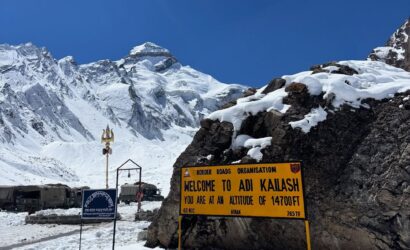
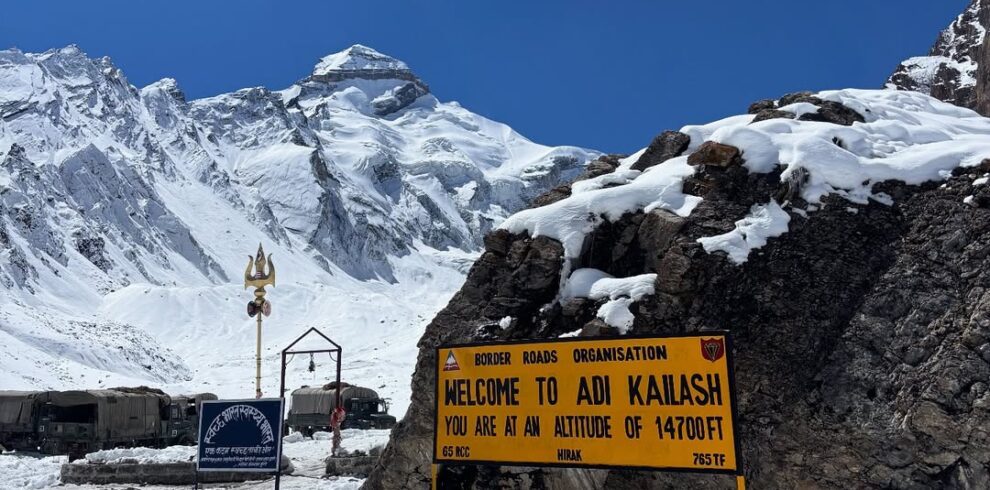
Adi Kailash Darshan
Distance: 70 km (Round Trip)
After an early breakfast, drive towards Jolingkong.
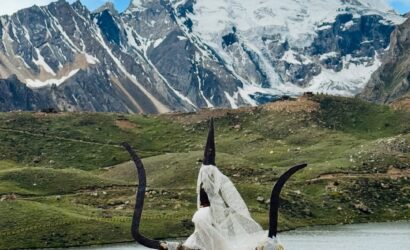
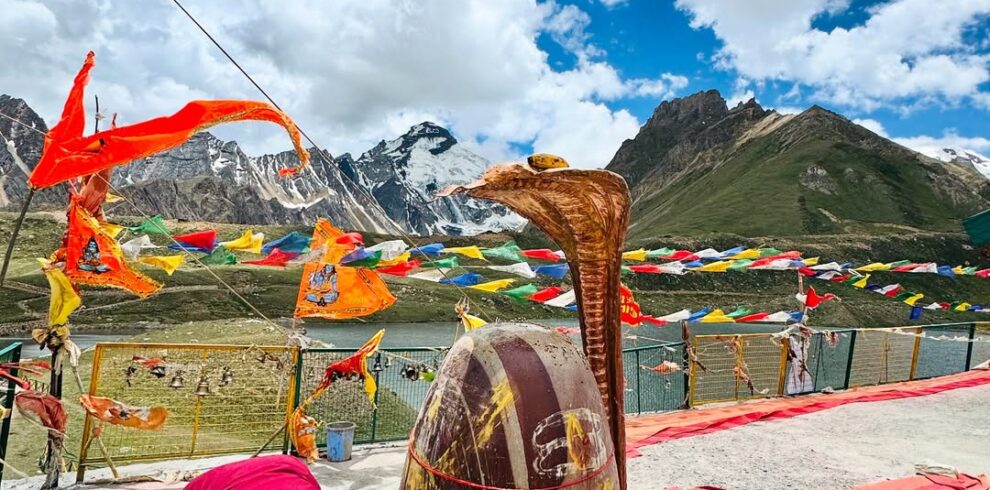
Today's Highlights: ( Adi Kailash Darshan, Parvati Sarovar, Gauri Kund, Bheem Ki Kheti, Ancient Shiva Temple, High-altitude Himalayan Landscapes, Spend peaceful moments near Parvati Sarovar before returning to Gunji )
Stay: Gunji
Meals Included:
Breakfast
Dinner
Day 03 :
Om Parvat Darshan & Return To Pithoragarh
Distance: Approx. 190 km
Early morning departure towards Nabidhang for the sacred Om Parvat Darshan, where the naturally formed "ॐ" symbol appears on the mountain.
After darshan, begin your return journey towards Pithoragarh.
En-route: Himalayan Valleys, Kali River, Dharchula
Reach Pithoragarh by evening.
Enjoy your final evening in the mountains.
Stay: Hotel in Pithoragarh
Meals Included:
Breakfast
Dinner
Day 04 :
Departure
After breakfast, check out from the hotel.
Your Adi Kailash journey concludes with beautiful memories, blessings, and unforgettable Himalayan experiences.
Meals Included:
Breakfast
Cost
The Cost Includes
Pickup & Drop (Pithoragarh)
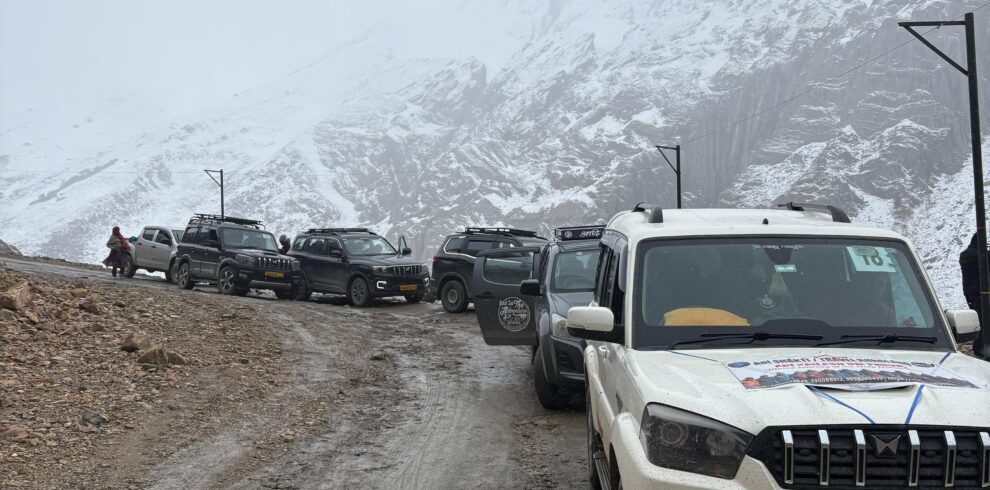
All transportation in 4×4 SUVs
Inner Line Permits
Accommodation (Hotels & Homestays)
Breakfast & Dinner
Experienced Tour Coordinator
Driver Allowance, Toll & Parking
All applicable local taxes
Basic First Aid Support
The Cost Excludes
Lunch
Personal expenses
Any kind of insurance
Pony/Porter charges (if required)
Camera or video fees (if applicable)
Emergency evacuation expenses
Anything not mentioned under "Inclusions
All About Your Trek
Embark on an exhilarating trekking journey that immerses you in the pristine beauty of nature and the rich cultural heritage of the region. This trek offers a perfect blend of adventure, breathtaking scenery, and meaningful local encounters, making it an ideal choice for those seeking to connect deeply with the environment and people.
Route & Terrain: The trek covers a diverse landscape, ranging from dense forests and terraced fields to rocky mountain paths and high-altitude meadows. You’ll traverse well-marked trails that challenge your endurance while rewarding you with spectacular panoramic views. Some sections may involve steep ascents and descents, so a good level of physical fitness and stamina is recommended.
Duration & Pace: This trek typically lasts [X days], allowing you to enjoy a balanced pace that combines daily trekking with time to rest and explore local villages. Each day’s walk averages between 4 to 7 hours, giving you ample opportunity to soak in the scenery and capture stunning photographs.
Accommodation & Facilities: Overnight stays are arranged in traditional teahouses or mountain lodges, offering basic yet comfortable amenities. These cozy accommodations provide a chance to experience the warmth of local hospitality, enjoy hearty home-cooked meals, and recharge for the next day’s trek.
Cultural Experience: Beyond the natural beauty, this trek provides a unique window into the life of indigenous communities. You’ll meet friendly locals, learn about their customs, traditions, and way of life, and perhaps even participate in cultural activities or festivals depending on the timing of your visit.
Best Time to Visit: The optimal trekking seasons are during the spring months of March to May and the autumn months of September to November. During these periods, the weather is generally clear and stable, with moderate temperatures and minimal rainfall, ensuring safer trekking conditions and breathtaking visibility.
Preparation & Packing Tips: To make the most of your trek, pack wisely. Essential items include sturdy trekking boots, layered clothing for fluctuating temperatures, rain gear, sun protection such as hats and sunscreen, a reusable water bottle, and personal medication. It’s advisable to keep your backpack light and prioritize comfort and functionality.
Health & Safety: Your safety is our utmost priority. The trek is guided by experienced professionals who are well-versed in mountain safety and first aid. They continuously monitor weather and trail conditions to ensure a secure experience. Remember to stay hydrated, pace yourself, and communicate any discomfort to your guide immediately.
Environmental Responsibility: We encourage all trekkers to practice responsible tourism by minimizing waste, respecting wildlife, and preserving the natural environment. Carry out all trash, avoid disturbing flora and fauna, and support local conservation efforts by purchasing souvenirs directly from artisans.
Additional Support: Should you have any specific requirements or need assistance in planning your trek, our team is available to provide personalized advice and support. We also offer options for porter services or mule assistance to help carry your luggage, making your trek more comfortable.